When your mitochondria are protected, they can produce ATP (the body's energy currency) more effectively
Despite how common GLP-1 use has become, there has been relatively little dermatology-focused research on their cutaneous side effects, with most of the existing literature limited to individual case reports. For the cross-sectional analysis, Fat and colleagues compared cutaneous adverse events reported in the FDA Adverse Event Reporting System (FAERS) for the GLP-1 receptor agonists semaglutide (Ozempic/ Wegovy, Novo Nordisk), liraglutide, exenatide and dulaglutide (Trulicity, Eli Lilly) with cutaneous adverse event reports for the dipeptidyl peptidase-4 (DPP-IV) inhibitors sitagliptin, saxagliptin, linagliptin and alogliptin
KubanyESHaynesSNLeisenMBOwensJAKaplanASWatsonSBet al
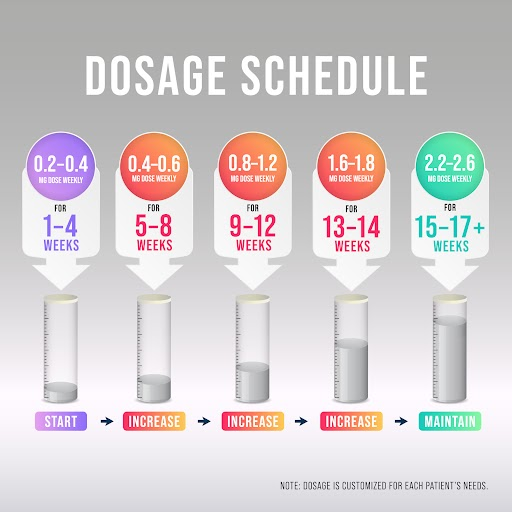
This article explains what those differences mean in real clinical practice, particularly in Dubai, where dosing availability and regulatory approval directly influence prescribing decisions
I would stick to the ones that we have more experience with
Most guides gloss over these details, leaving you to figure out the math on your own