Supplementary material The Supplementary material for this article can be found online at: SARS-CoV-2 Severe acute respiratory syndrome coronavirus 2 COVID-19 coronavirus disease 19 ROS reactive oxygen species GSH glutathione Keap1 Kelch-like ECH-associated protein 1 Nrf2 Nuclear factor erythroid 2-related factor 2 ARE antioxidant response element GSSG GSH disulfide NADPH nicotinamide adenine dinucleotide phosphate NOX NADPH oxidase ARDS Acute respiratory distress syndrome NFB nuclear factor-B ACE2 angiotensin converting enzyme-2 NETs neutrophil extracellular traps rTEM reverse trans-endothelial migration NAC N-acetylcysteine CRP C-reactive protein HSPGs heparan sulfate proteoglycans GCS glutamyl-cysteine synthetase TMPRSS2 transmembrane protease serine 2 TLRs Toll-like receptors Abbreviations References 1 AbbasM.VermaS.VermaS.SiddiquiS.KhanF
DSIP shows potential for individuals experiencing sleep disturbances or stress-related conditions
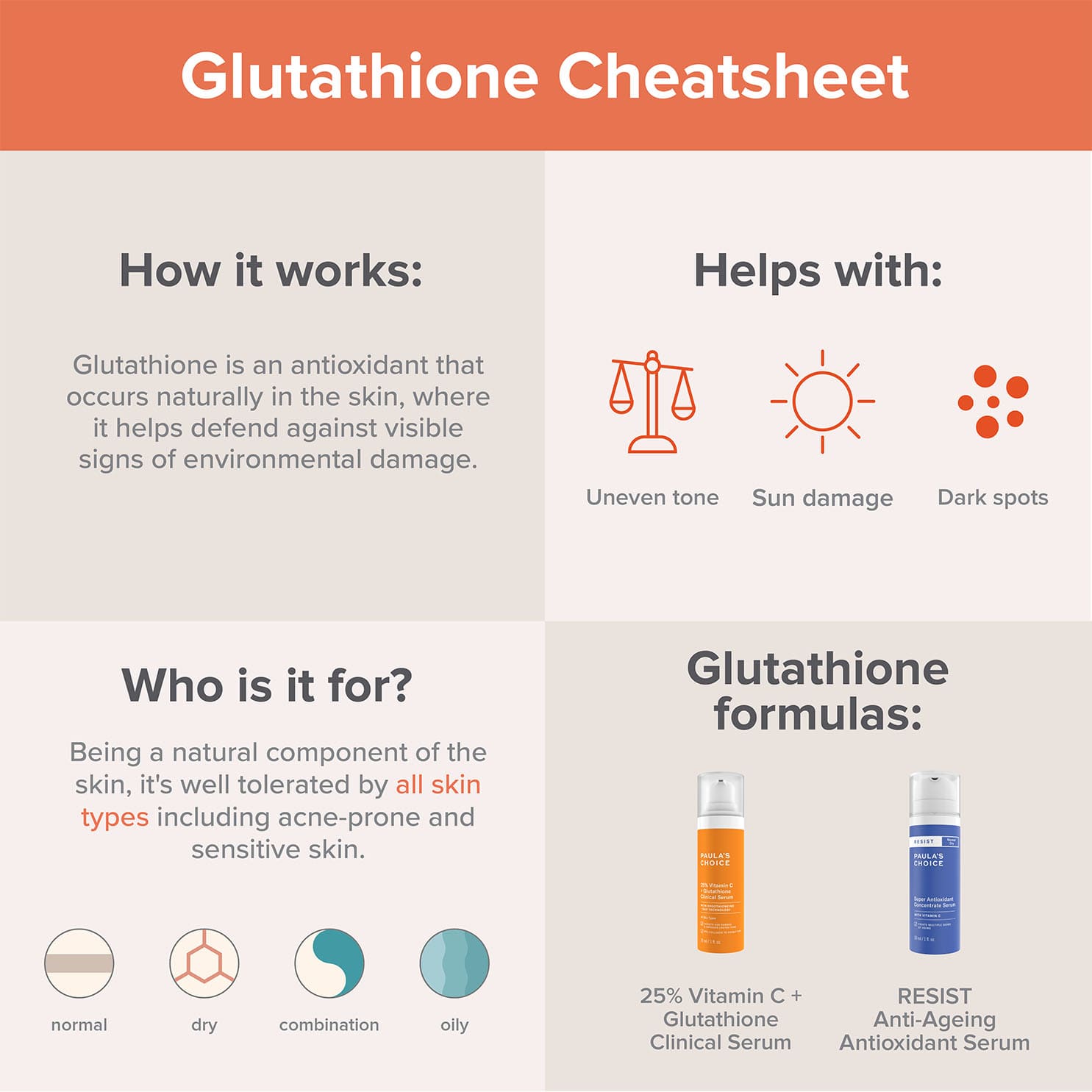
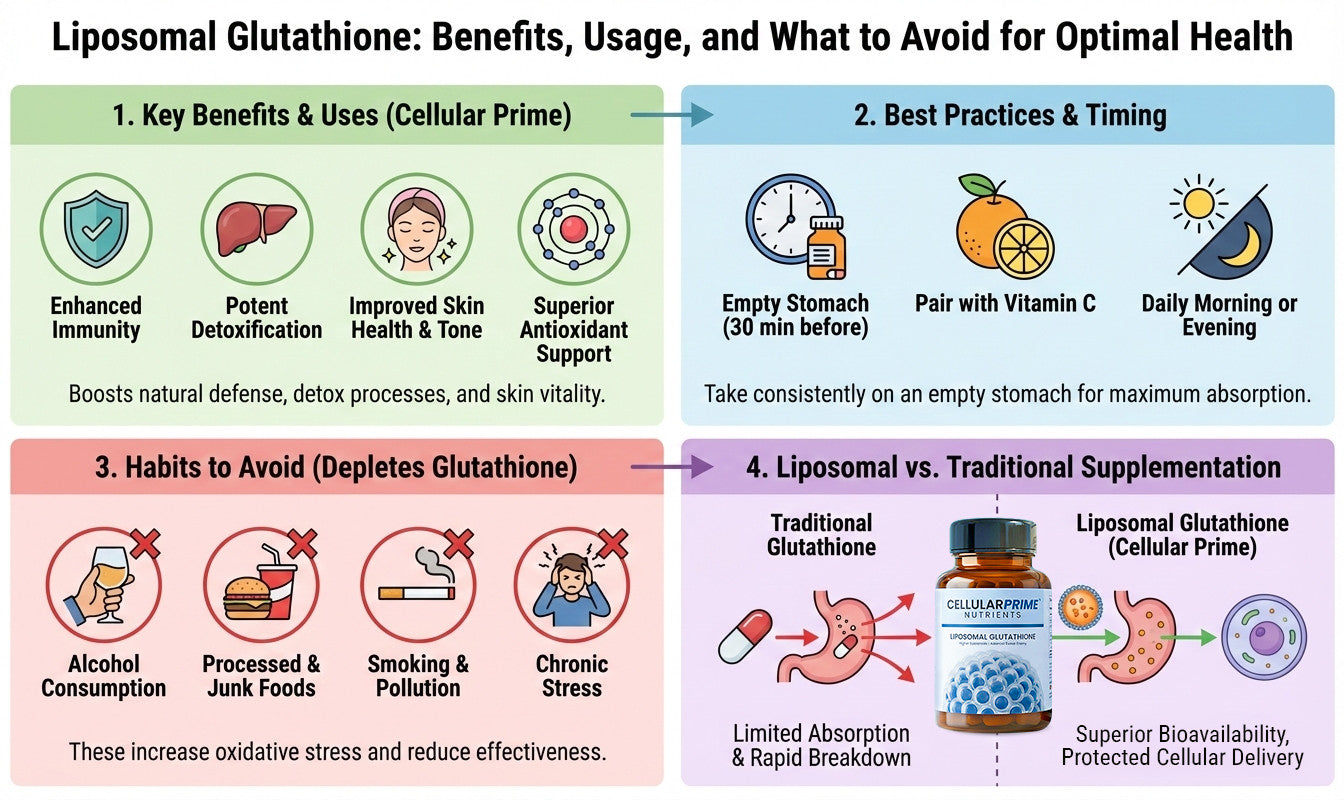
The Detoxification Advantage Beyond antioxidant protection, glutathione serves as the body's primary detoxification agent
Contamination during reconstitution can degrade the peptide or introduce pathogens into a solution intended for injection
Short-term refrigeration at 2-8C is acceptable for up to 4 weeks
HGF/c-Met signaling is a well-established oncogenic pathway: c-Met is amplified or overexpressed in multiple cancers (gastric, lung, renal, hepatocellular) HGF/c-Met activation promotes tumor cell proliferation, survival, invasion, and metastasis c-Met inhibitors are FDA-approved cancer drugs (cabozantinib, crizotinib, capmatinib) A compound that potentiates HGF/c-Met signaling raises theoretical concerns about promoting tumor growth or transformation with chronic use




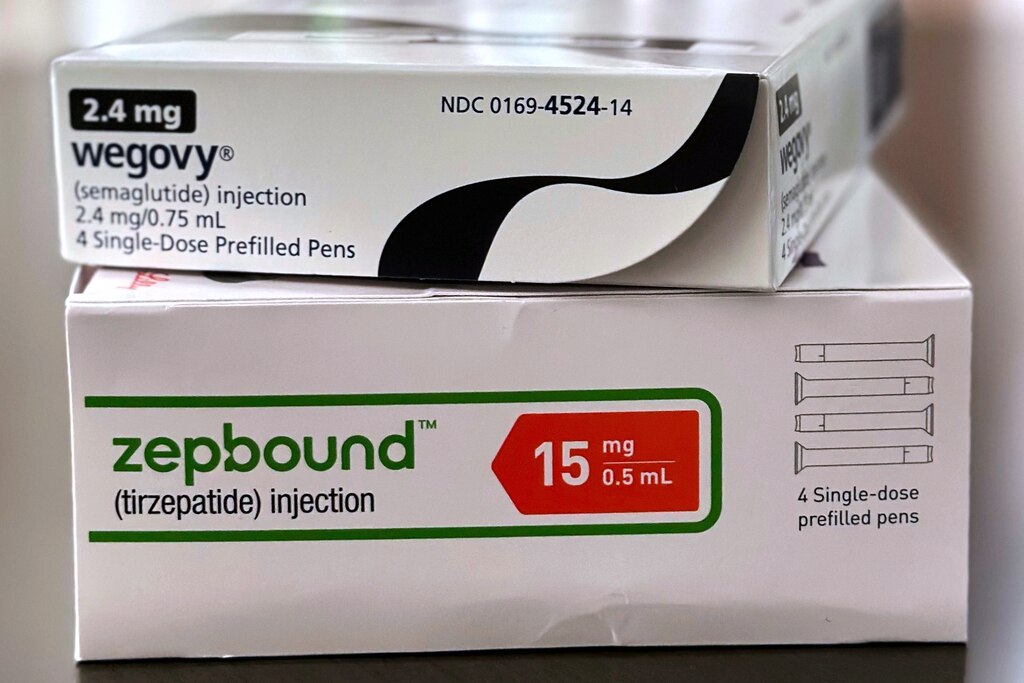





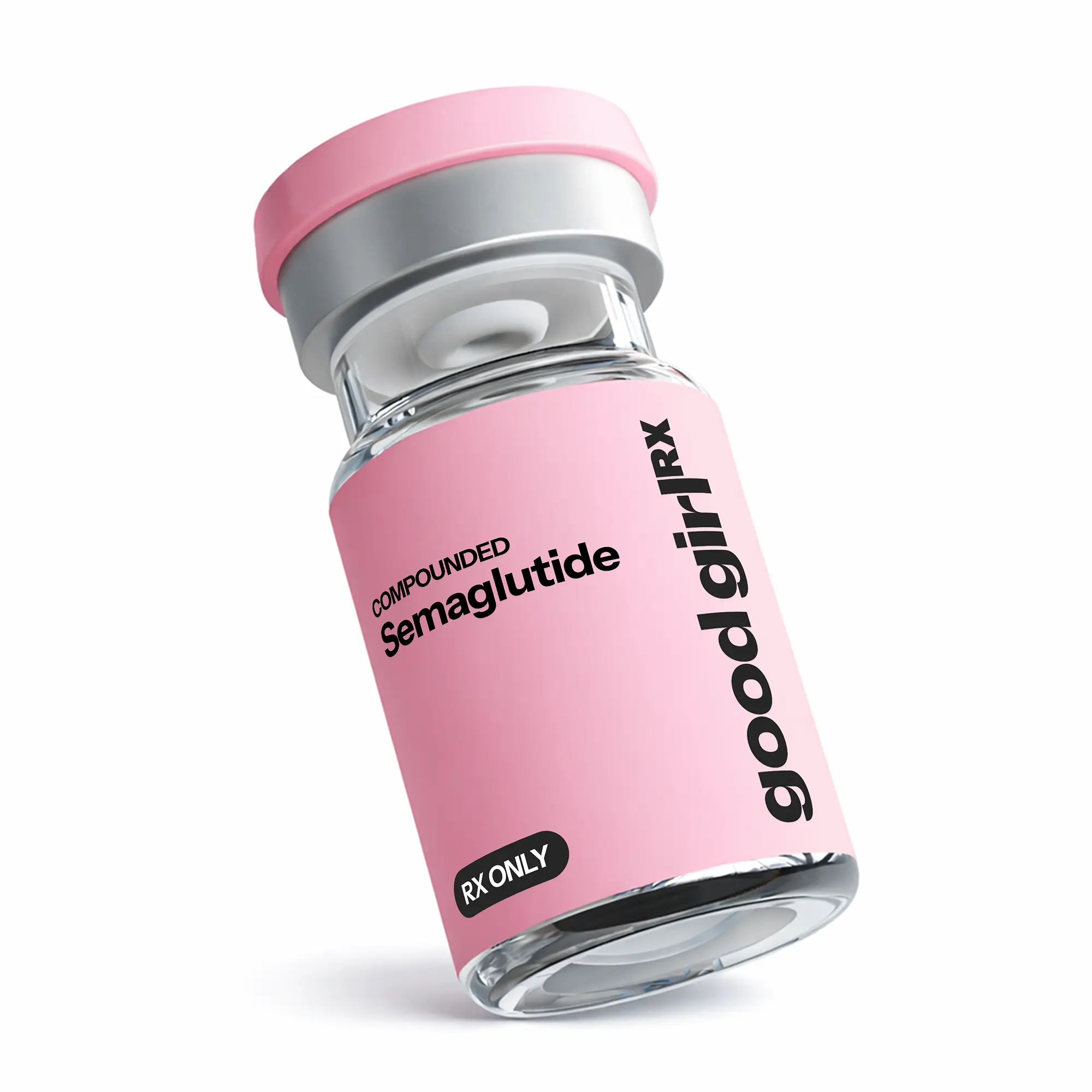
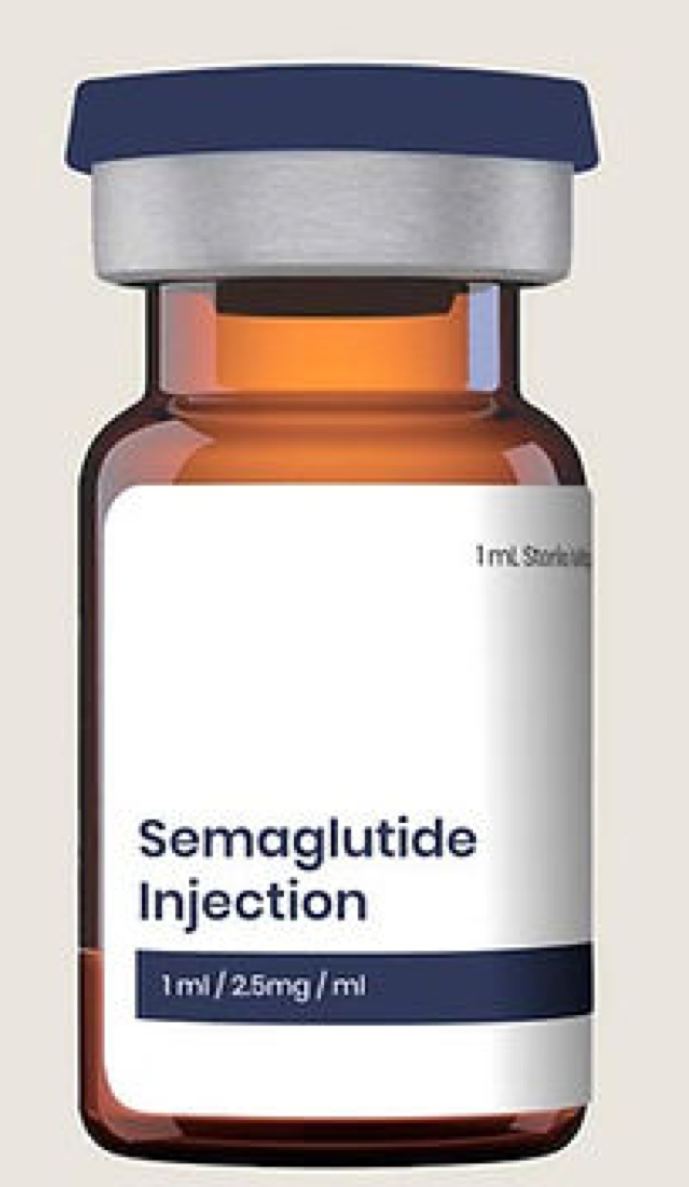

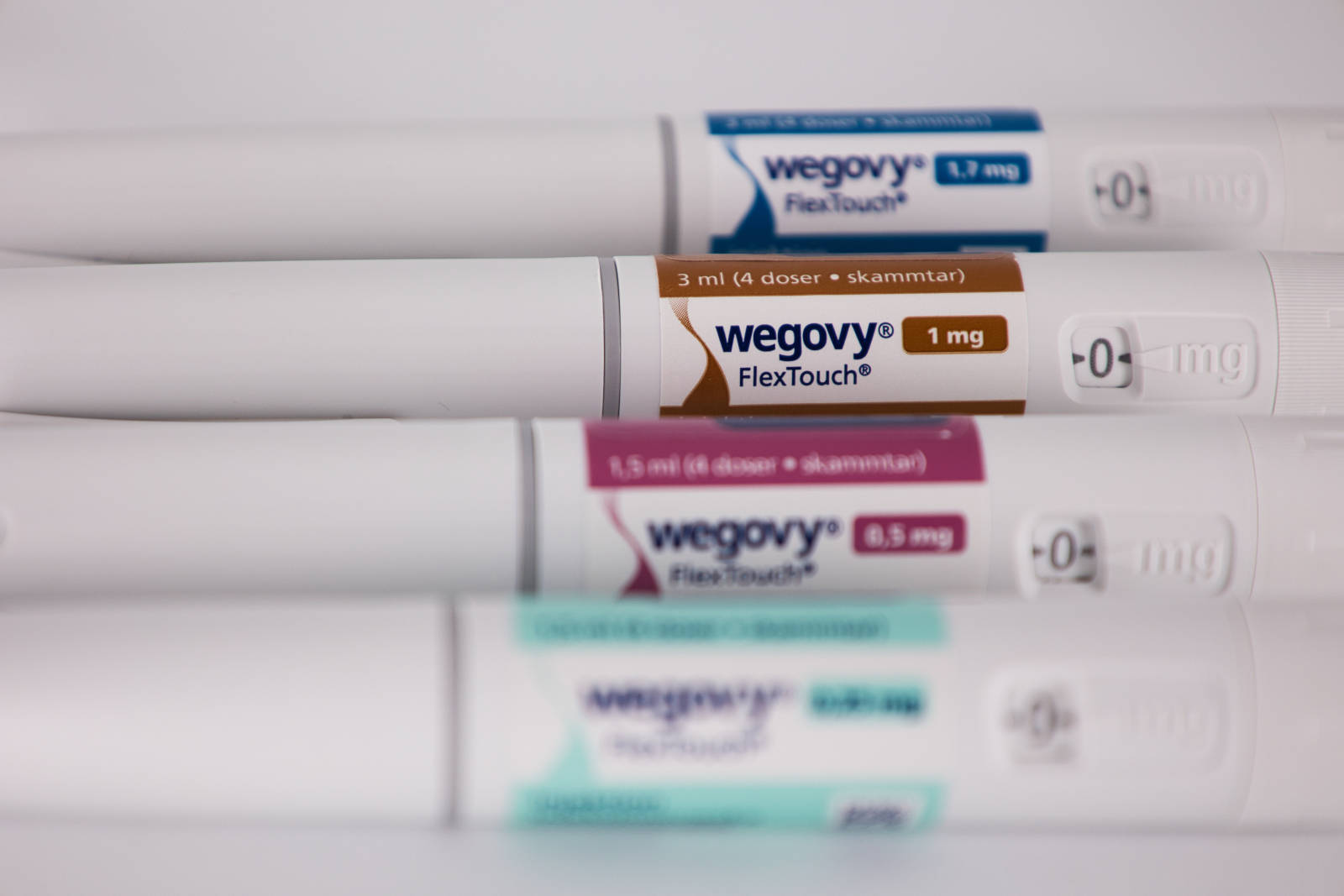

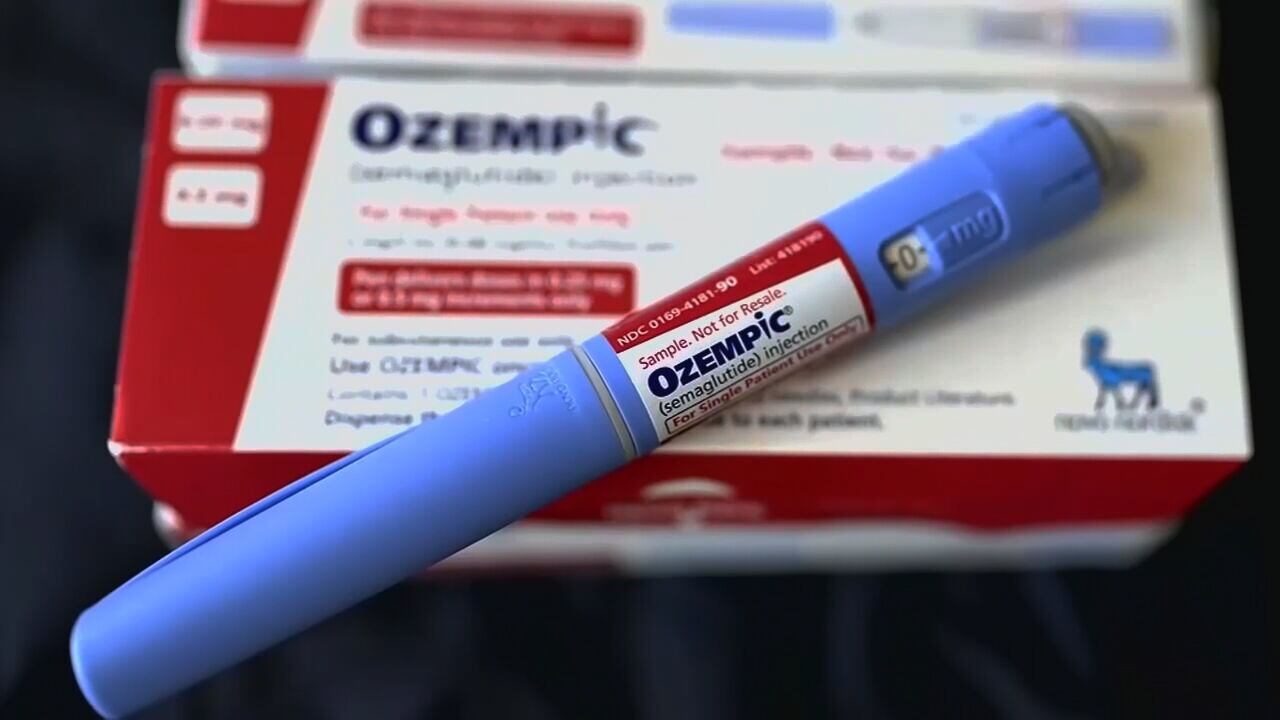



/sc-assets/prd/practices/cdcd65da-a892-465a-aa2c-48d5c1f8134f/Semaglutide%20vial.png)


