Monitoring and Optimization Recommended Laboratory Monitoring Baseline Testing : IGF-1 levels Comprehensive metabolic panel Lipid profile Fasting glucose and insulin Complete blood count Follow-up Testing (8-12 weeks) : IGF-1 response assessment Metabolic marker improvements Safety parameter monitoring Dose optimization guidance Signs of Optimal Response 20-40% increase in IGF-1 levels Improved sleep quality scores Enhanced recovery between workouts Positive body composition changes Increased energy and vitality Better mood and cognitive function Dose Adjustment Indicators Increase dose if : Minimal IGF-1 response after 6-8 weeks Limited improvements in target symptoms Good tolerance of current dose Decrease dose if : Excessive side effects (joint pain, swelling) IGF-1 levels exceed normal range Sleep disturbances or excessive hunger Professional Recommendations Based on clinical experience and research evidence, our recommendations include: Start Conservative : Begin with 100 mcg of each peptide for first month Optimize Timing : Consistent bedtime administration for best results Monitor Response : Regular assessment of sleep, recovery, and energy Cycle Appropriately : Use 5-on-2-off protocol to maintain effectiveness Combine Strategically : Integrate with comprehensive hormone optimization For personalized CJC-1295 Ipamorelin dosing protocols tailored to your specific health goals and hormone status, consider scheduling a consultation with our medical team

Their effects and risks depend on the exact compound, dose, product quality, treatment duration, medical history and clinical monitoring
Helps promote a more radiant and refreshed appearance
GHK-Cu, as we saw earlier, does a lot for your skin
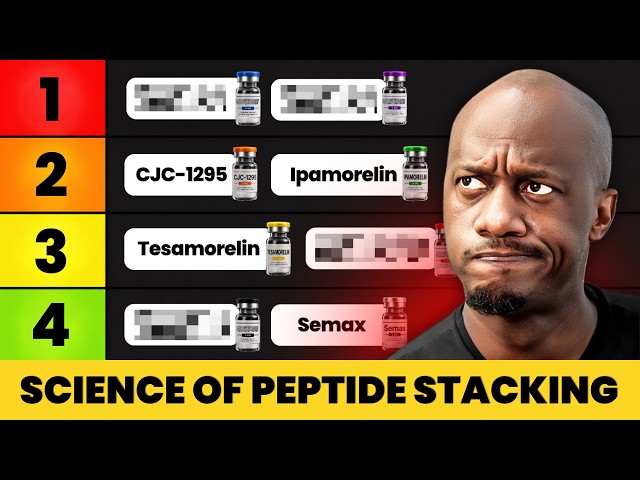
Like with the tier 1 options, approach them as small experiments, track your symptoms, and pair them with foundational habits
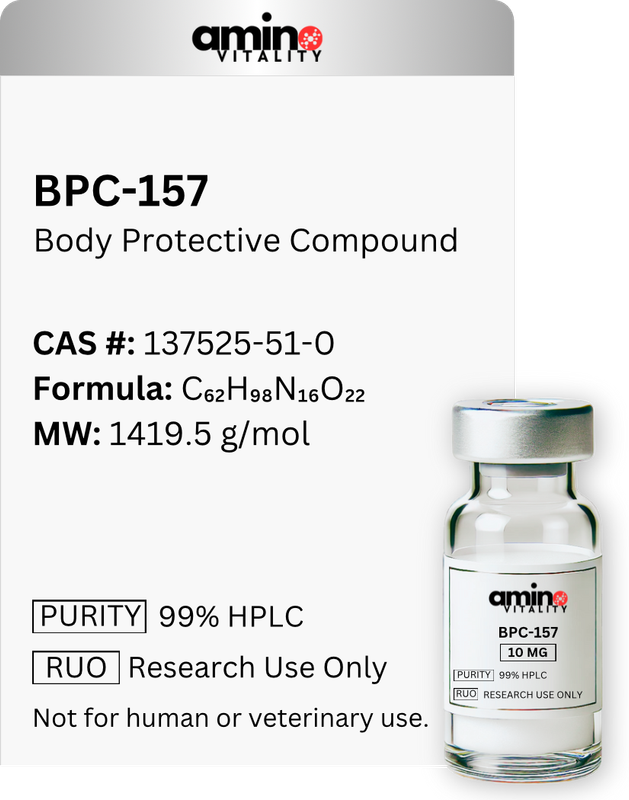
Add 1 ml of bacteriostatic water for a 2 mg vial, 2.5 ml for a 5 mg vial, 5 ml for a 10 mg vial